Humanities
Explore how PLMGS's Humanities programme uses inquiry-based learning to build critical thinkers and responsible citizens across Geography, History, and Social Studies.
Vision
To ignite the life-long passion for Humanities (Geography, History and Social Studies), nurturing well-informed, analytical, creative and critical thinkers who are responsible global citizens capable of collaborating across cultures and contexts.
Mission
Through authentic learning experiences and a holistic approach to the Humanities, we aim to:
Spark curiosity
Nurture critical, adaptive and inventive thinking
Reflect on the relevance of the humanities to everyday life
Empower students to make a positive impact on the community, country and world
Curriculum
At PLMGS, the Humanities curriculum nurtures students to become inquisitive, informed and participative individuals through Inquiry-Based Learning.
History immerses students in Singapore’s past and global historical developments, equipping them with critical thinking skills to analyse sources, evaluate reliability and make informed judgments as responsible citizens.
Geography examines contemporary environmental and societal challenges, enabling students to understand their impact on people’s lives today and in the future.
Social Studies sparks curiosity about real-world issues, fosters critical and reflective thinking, promotes an appreciation of diverse perspectives and empowers students to navigate an ever-changing world.
Through inquiry and authentic learning experiences, our Humanities programme cultivates thoughtful, engaged and socially responsible individuals ready to contribute meaningfully to society.
Subjects offered:
At lower secondary level,
Geography (G2 & G3)
History (G2 & G3)
Social Studies & Humanities Exposure Module (G1)
At upper secondary level,
Pure Geography (G2 & G3)
Geography Elective (G2 & G3)
Pure History (G3)
Elective History (G3)
Social Studies (G2 & G3)
Social Studies (G1) (Humanities Exposure Module to be included from 2026 onwards)
Students Learning Outcomes:
Students will be able
Demonstrate understanding of key concepts, themes and issues in History, Geography and Social Studies
Apply inquiry-based learning to explore real-world problems
Develop empathy by understanding diverse perspectives, cultures and identities
Foster a sense of social responsibility and active citizenship through critical reflection and civic engagement
Cultivate a mindset of lifelong learning to engage with an evolving world
Pedagogical Approach
Expose students to diverse contexts and perspectives
Students are introduced to the richness of the Humanities through authentic and immersive experiences.
Learning journeys, a wide variety of artefacts, and dialogue-based approaches are used to help students understand the interconnectedness of Humanities subjects and their relevance in the real world
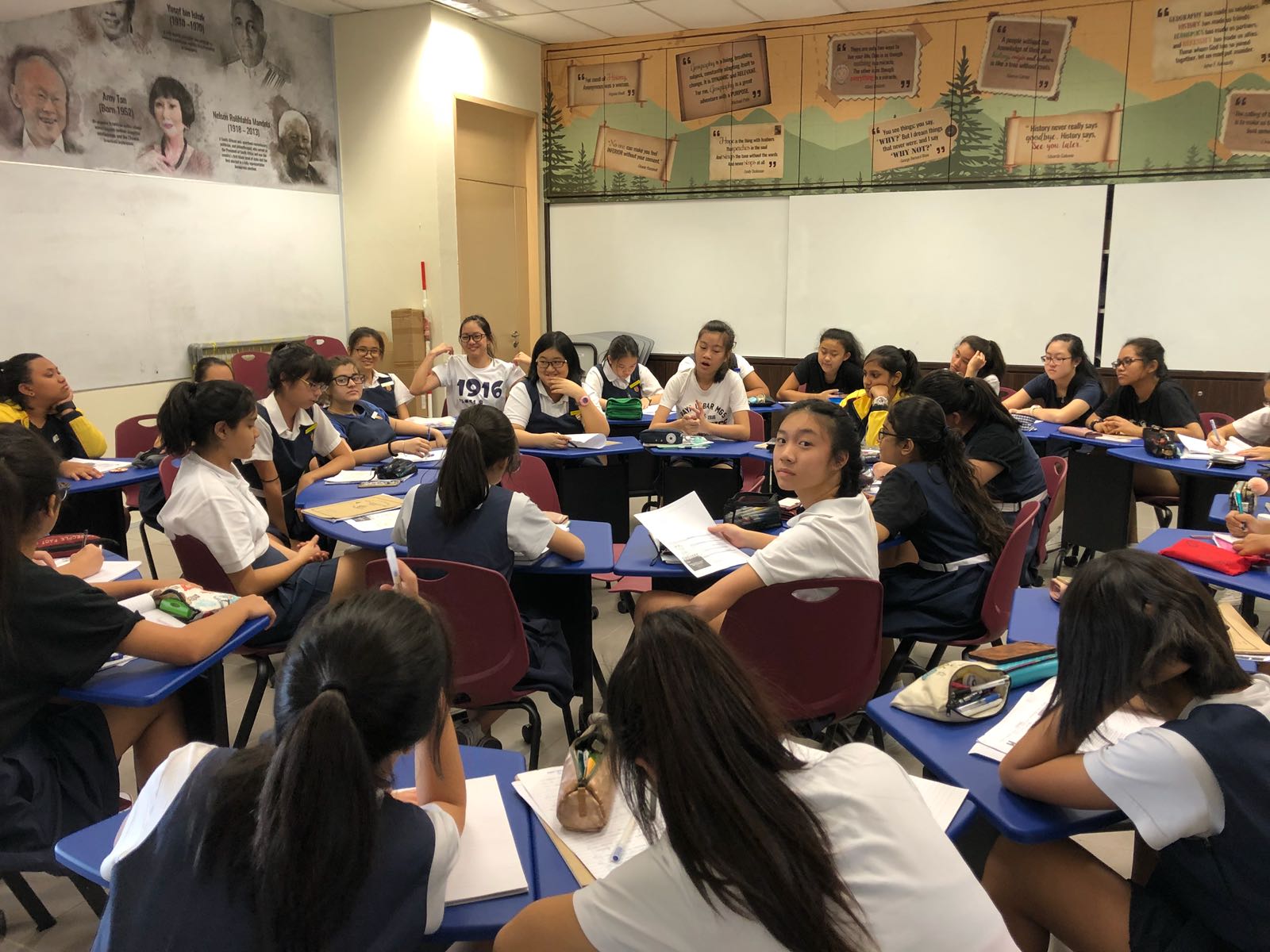
Lessons are designed using inquiry-based and experiential learning pedagogies
Engage students in real-world issues and challenges
Students take ownership of their learning by exploring issues that impact them and their communities.
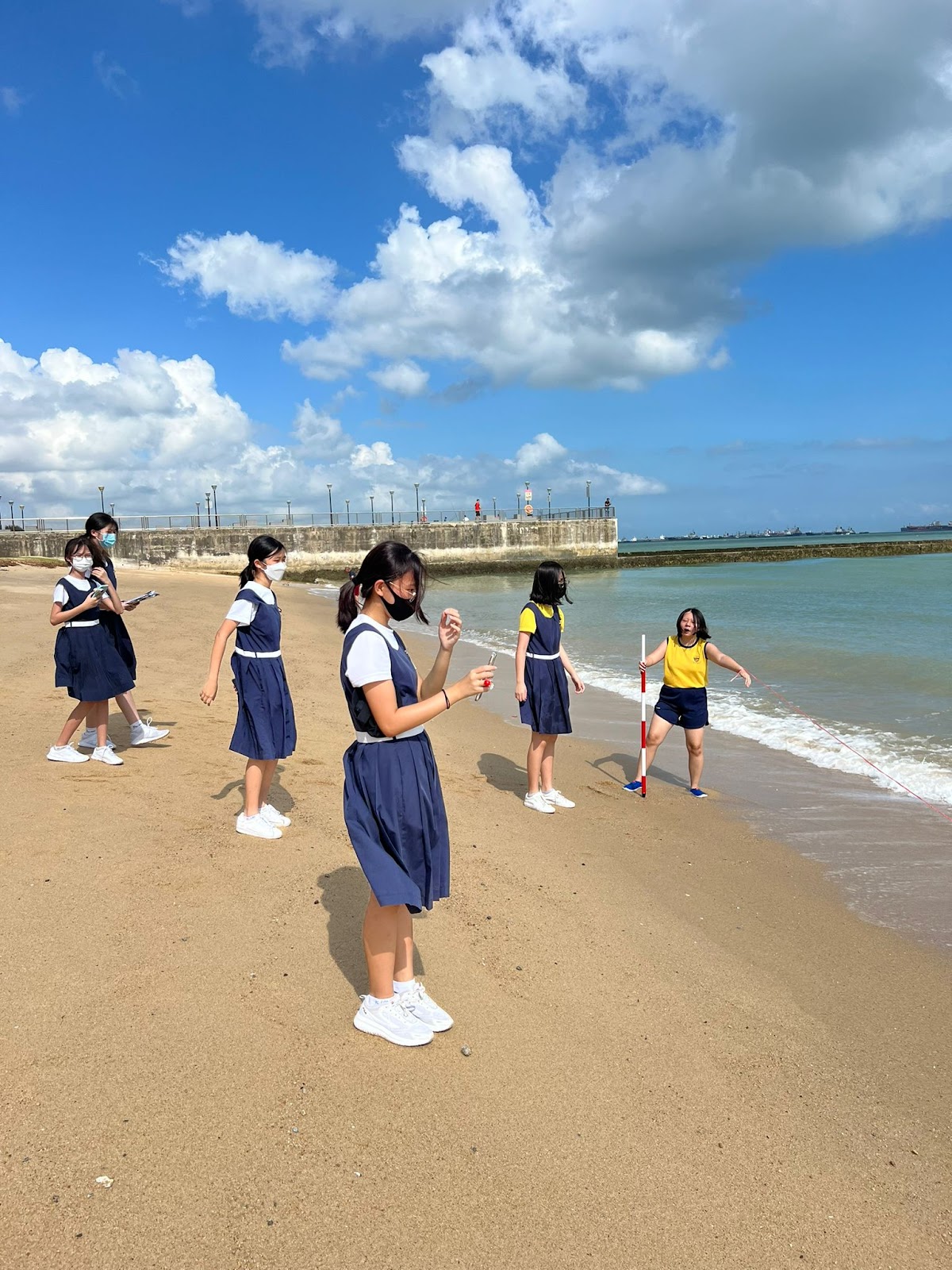
Programmes such as Geographical Investigation, Historical Investigation and Issues Investigation provide structured opportunities for applied learning
Nurture critical and reflective thinking skills
Students are taught to evaluate information, question assumptions, and consider multiple perspectives.
Emphasis is placed on source analysis, reliability evaluation and evidence-based reasoning
Reflect and refine thinking
Students deepen their understanding through structured reflection.
Visible Thinking Routines are used to scaffold inquiry and promote metacognition
Enrichment and Competitions
MOE Humanities Challenge: Selected students participate annually in the MOE Geography and History Challenges. These competitions provide Humanities-inclined students with platforms to sharpen their knowledge and critical thinking. High-performing participants may also qualify for the Humanities Talent Development Programme at the A-Level.
Historical Scene Investigation (HSI) Challenge: Students role-play as young historians to analyse sources, investigate historical events, and construct evidence-based arguments. This national competition fosters critical thinking, historical inquiry and a deeper appreciation for Singapore’s past.
Prove It! Contest: Through this competition organised by the National Library Board, students develop news and information literacy through research and multimedia storytelling. The experience hones their critical thinking, media literacy and communication skills which are essential for responsible digital citizenship.
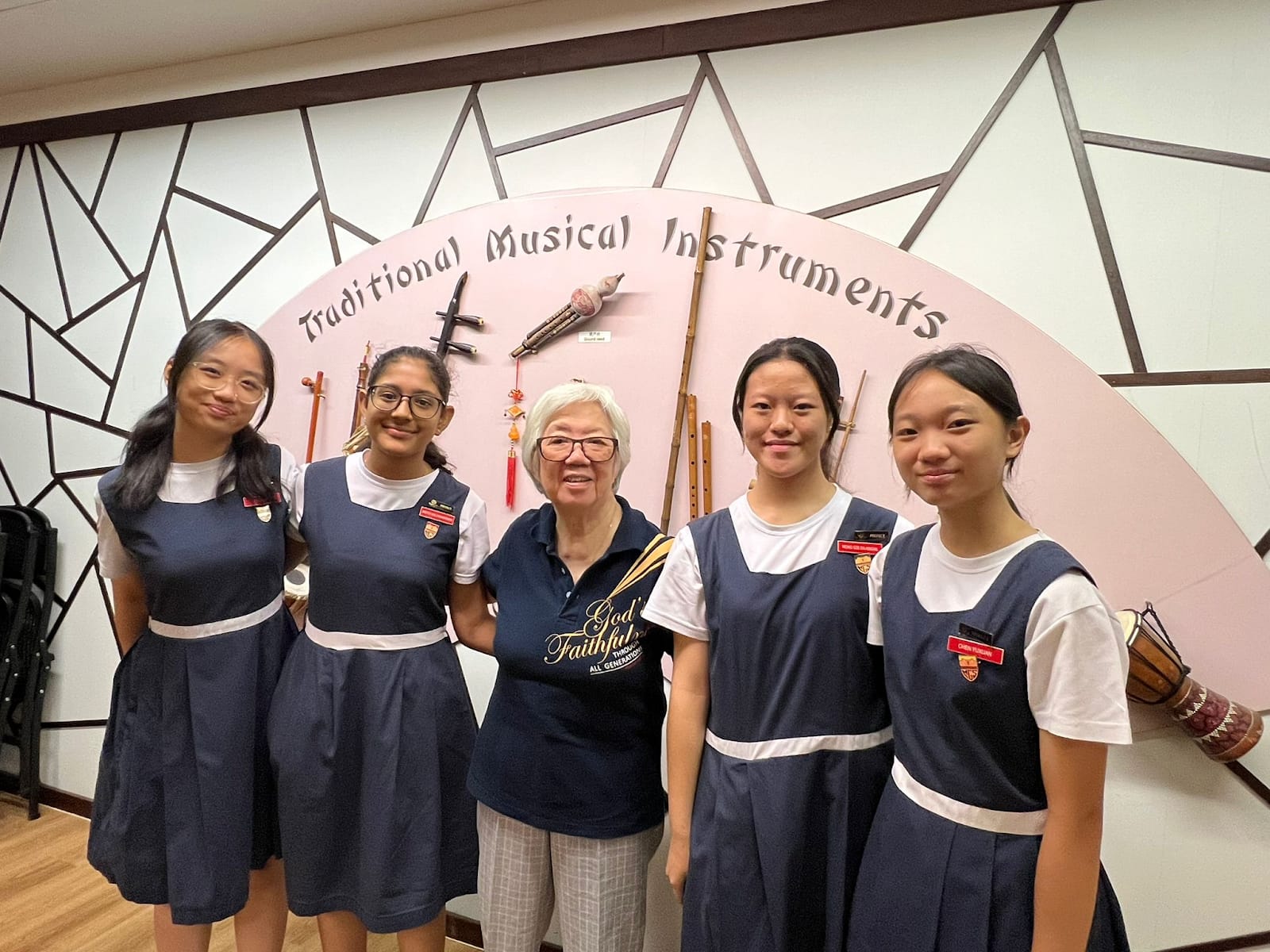
Guest Speakers and Expert Talks: External speakers are invited to share real-world insights and professional expertise with students. These sessions connect classroom learning with global contexts and inspire students to think beyond their textbooks.
Model United Nations (MUN) Conference: Students participate in MUN conferences to engage with global issues, practice diplomacy and develop confidence in public speaking and argumentation. These experiences cultivate global awareness and leadership.
Assessment
Assessment in Humanities is holistic and multidimensional, allowing students to demonstrate both their cognitive understanding and disciplinary thinking skills. This aligns with MOE’s emphasis on nurturing future-ready learners who are informed, concerned and participative citizens.
We adopt a balanced approach to assessment, combining both formative and summative methods to give a holistic view of student learning.
A variety of assessment modes are employed, including:
Source-based questions
Structured and essay-type responses
Performance tasks
Inquiry-based investigations
Formative assessment
Formative assessments are integrated into classroom instruction to monitor students’ progress, provide feedback and inform teaching. These practices are designed to address both content knowledge and disciplinary thinking skills.
Key formative assessment practices
Source annotation and interpretation exercises
Class discussions, debates and questioning techniques
Peer and self-assessment rubrics
Exit slips, reflection prompts and concept maps
Fieldwork and inquiry-based investigations
Summative assessment
Summative assessments evaluate students’ learning at defined points in time, such as end-of-unit tests, weighted assessments and end-of-year examinations.
Gallery